The outdoor areas surrounding a property are meant to be enjoyed. A healthy lawn, thriving garden, inviting patio, and well-maintained landscape create spaces for relaxation, entertaining guests, and spending quality time with family. Unfortunately, these same environments can also attract a wide variety of pests searching for food, water, shelter, and places to reproduce. Once pests establish themselves outdoors, it often becomes only a matter of time before they begin moving indoors in search of additional resources. This is why outdoor Pest Control Port St Lucie should be viewed as the first line of defense rather than a separate maintenance task. By managing pest activity around yards, gardens, and the perimeter of a property, homeowners can significantly reduce the likelihood of infestations while preserving the beauty and functionality of their outdoor spaces.
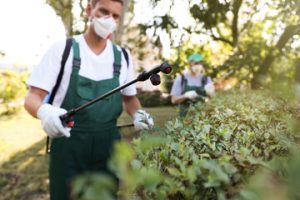
Many people assume pest control begins inside the home after insects or rodents become visible. In reality, effective pest management usually starts outside. Most pests originate in outdoor environments before entering buildings through cracks, gaps, vents, utility openings, or doors left open. Landscaped areas, mulch beds, compost piles, wood stacks, overgrown shrubs, and standing water all provide ideal habitats where pest populations can flourish unnoticed. Once these populations grow large enough, nearby structures become attractive extensions of their habitat. Addressing outdoor conditions early interrupts this progression and minimizes the chances of indoor infestations.
A successful outdoor pest control strategy is built on understanding why pests are attracted to certain environments. Like every living creature, pests require necessities to survive. They seek dependable food sources, moisture, shelter from harsh weather, and safe breeding locations. A yard with dense vegetation, accumulated leaves, excess moisture, and abundant organic debris naturally offers these resources. Even a beautifully landscaped property can unintentionally provide ideal conditions for insects and rodents if routine maintenance is overlooked. Recognizing these environmental factors allows property owners to make informed decisions that discourage pest activity without compromising the health of their landscape.
Gardens deserve particular attention because they contain many of the elements pests find most attractive. Flowering plants attract pollinating insects, while vegetable gardens provide abundant food sources for numerous species. Healthy gardens naturally support beneficial organisms that contribute to ecological balance, but they may also invite destructive pests capable of damaging leaves, roots, flowers, and developing produce. Outdoor pest control does not aim to eliminate every insect within a garden. Instead, it focuses on reducing harmful populations while preserving the beneficial insects that contribute to pollination, soil health, and natural pest regulation. This balanced approach supports healthier gardens over the long term while reducing unnecessary interventions.
The perimeter surrounding a building plays an equally important role in pest prevention. Exterior walls, foundations, windows, doors, and utility penetrations form the boundary between outdoor pest habitats and indoor living spaces. Tiny openings that appear insignificant to people can serve as convenient entry points for insects and rodents. Over time, changing weather conditions, natural settling, and routine wear can create new access routes that remain unnoticed until pests begin appearing indoors. Routine inspections of the property’s perimeter help identify vulnerabilities before they develop into larger problems.
Outdoor pest control also requires an appreciation for seasonal changes. Pest behavior shifts throughout the year as temperatures, rainfall, humidity, and food availability fluctuate. During warmer months, insects become increasingly active as breeding cycles accelerate. Heavy rainfall may force ground-dwelling pests to relocate to higher ground, while dry conditions encourage many insects to search for reliable moisture sources closer to homes. Cooler weather often drives rodents toward buildings where warmth and shelter become more accessible. Understanding these seasonal patterns allows property owners to adjust maintenance practices before pest activity reaches its peak.
One of the most valuable aspects of outdoor pest control is habitat management. Instead of relying exclusively on treatments after pests appear, habitat modification makes the environment less attractive from the beginning. This preventive philosophy addresses the underlying conditions that support pest populations rather than repeatedly responding to visible infestations. Small improvements made consistently throughout the year often produce better long-term results than occasional intensive treatments after problems have already become established.
Several landscape maintenance practices can dramatically reduce pest activity around a property:
- Keep grass properly maintained and remove excessive weeds that provide shelter for insects and rodents.
- Trim shrubs, bushes, and tree branches so they do not directly contact exterior walls or roofing.
- Remove piles of leaves, fallen branches, and other organic debris that create hidden nesting sites.
- Store firewood, lumber, and construction materials away from buildings and elevate them off the ground.
- Improve drainage to eliminate standing water where mosquitoes and other moisture-loving pests reproduce.
These simple practices reduce available shelter while making it more difficult for pests to establish permanent outdoor colonies.
Water management deserves special attention because moisture is one of the strongest attractants for many outdoor pests. Poor drainage, leaking irrigation systems, clogged gutters, decorative water features, and low-lying areas that collect rainwater can create ideal breeding environments. Mosquitoes, for example, require only small amounts of standing water to reproduce successfully. Other insects thrive in consistently damp soil or mulch, while rodents frequently establish nests near dependable water sources. Correcting drainage issues not only supports healthier landscaping but also removes one of the essential resources many pests depend upon.
Mulch remains a popular landscaping material because it improves soil moisture retention, suppresses weeds, and enhances the appearance of flower beds. However, excessive mulch placed directly against foundations can create favorable conditions for certain insects by trapping moisture and providing shelter. Applying mulch at appropriate depths while leaving a small gap around the building’s foundation helps maintain its landscaping benefits without unnecessarily encouraging pest activity. This illustrates how thoughtful landscape design can contribute to both plant health and effective pest prevention.
Outdoor lighting is another factor that influences pest behavior. Many flying insects are naturally attracted to bright lights during evening hours. As insects gather around illuminated entrances, they may inadvertently attract predators or eventually find opportunities to enter nearby structures. Selecting appropriate outdoor lighting placement and minimizing unnecessary nighttime illumination around entryways can help reduce insect concentrations near doors and windows without sacrificing safety or visibility.
Garden maintenance also benefits from preventive pest management techniques that emphasize plant health. Strong, healthy plants are generally more resilient when exposed to insects and environmental stress. Proper watering practices, healthy soil conditions, routine pruning, adequate spacing between plants, and prompt removal of diseased vegetation all contribute to a more balanced growing environment. Healthy gardens are often better equipped to tolerate occasional pest activity without experiencing widespread damage.
Outdoor pest control is especially important for families who regularly use patios, decks, outdoor kitchens, and recreational areas. These spaces often include outdoor furniture, grills, food preparation surfaces, and decorative landscaping that can unintentionally attract insects. Food residue left after gatherings, uncovered trash containers, spilled beverages, and standing water in outdoor furniture create favorable conditions for pests seeking nourishment. Routine cleaning and proper waste management greatly reduce these attractants while making outdoor living areas more enjoyable throughout the year.
Professional outdoor pest control services offer an additional layer of protection by combining detailed property inspections with customized treatment strategies. Rather than applying identical treatments to every property, experienced technicians evaluate landscaping, drainage patterns, vegetation density, structural features, and seasonal pest pressures before developing a management plan. This individualized approach improves treatment effectiveness while supporting long-term prevention. Regular inspections also allow professionals to detect early signs of pest activity before populations become difficult to manage.
A comprehensive outdoor pest management program often includes several important elements:
- Detailed inspections of landscaping, gardens, fences, foundations, and surrounding structures.
- Identification of pest species and assessment of environmental conditions encouraging infestation.
- Preventive recommendations tailored to the property’s layout and maintenance practices.
- Ongoing monitoring to evaluate treatment success and respond to changing seasonal conditions.
Together, these components provide continuous protection rather than relying solely on one-time treatments.
One common mistake property owners make is waiting until pest populations become highly visible before taking action. Unfortunately, by the time insects or rodents are easily observed throughout a yard, breeding populations are often already well established. Preventive outdoor pest control is generally more effective because it reduces favorable conditions before infestations expand. Early intervention typically requires fewer corrective measures while providing more consistent long-term results.
Environmental responsibility has become an increasingly important consideration in modern outdoor pest management. Rather than focusing exclusively on eliminating every insect encountered, today’s strategies often emphasize balanced ecosystem management. Beneficial insects play valuable roles in pollination, natural pest regulation, and overall environmental health. Effective outdoor pest control seeks to minimize harmful pest populations while preserving beneficial organisms whenever possible. This thoughtful approach supports healthier landscapes and encourages sustainable maintenance practices that remain effective over time.
Regular property inspections are essential because outdoor conditions continually change. Landscaping matures, weather alters drainage patterns, construction projects create new hiding places, and seasonal growth affects visibility around structures. What appeared to be a low-risk environment several months ago may gradually develop conditions favorable for pests without obvious warning signs. Scheduled inspections help identify these changes early, allowing property owners to make timely adjustments before problems become widespread.
Outdoor pest control should also be viewed as part of overall property maintenance rather than an isolated service. Lawn care, irrigation management, tree maintenance, gutter cleaning, drainage improvements, and structural upkeep all contribute to reducing pest pressure. When these maintenance activities work together, they create an environment that is naturally less inviting to unwanted insects and rodents. The result is a healthier landscape, improved outdoor comfort, and reduced likelihood of pests eventually migrating indoors.
Ultimately, protecting yards, gardens, and property perimeters requires consistency rather than occasional attention. Small maintenance tasks performed throughout the year are often far more effective than attempting to address major infestations after they develop. Healthy landscapes, proper moisture management, routine inspections, and preventive pest control practices work together to create outdoor environments that remain beautiful, functional, and enjoyable.
Investing in outdoor pest control is about preserving the full value of a property while enhancing the quality of everyday outdoor living. Whether maintaining a decorative garden, caring for a productive vegetable plot, or simply protecting the perimeter around a home, proactive pest management offers lasting benefits that extend well beyond eliminating nuisance insects. By focusing on prevention, habitat modification, and ongoing maintenance, property owners can enjoy outdoor spaces with greater confidence, knowing they have established a strong first line of defense against unwanted pests throughout every season.
