Uncategorized

Effective Digital Marketing Services for Online Growth and Visibility

In the digital age, having an online presence is no longer optional for businesses—it is essential. With consumers turning to the internet for everything from product research to final purchases, businesses must prioritize digital strategies that improve their visibility and drive growth. Effective digital marketing services provide the tools and expertise to help businesses connect with their audience, build credibility, and achieve long-term success online.

digital marketing

The Importance of Digital Marketing

Traditional marketing methods such as print advertisements and billboards still play a role in building awareness, but they cannot match the reach and precision of digital platforms. Digital marketing allows businesses to target specific audiences, measure results in real time, and adjust strategies for maximum impact.

Visibility in the digital space is vital because competition is fierce. Without an effective strategy, even the best products or services can go unnoticed. Digital marketing services ensure that businesses stand out, attract the right audience, and convert interest into measurable results.

Core Elements of Digital Marketing Services

Comprehensive digital marketing services cover a wide range of strategies, each designed to boost visibility and promote growth. These elements work best when integrated into a cohesive plan.

1. Search Engine Optimization (SEO)

SEO is the foundation of online visibility. It involves optimizing websites so they rank higher on search engines when users look for relevant information. SEO services include keyword research, on-page optimization, link building, and content creation.

Effective SEO ensures that businesses are discoverable to users who are actively searching for their products or services. This organic visibility not only drives traffic but also builds credibility and trust with potential customers.

2. Content Marketing

Quality content is one of the most powerful tools in digital marketing. From blog posts and videos to infographics and e-books, content provides value to audiences while positioning businesses as authorities in their field.

Content marketing services focus on creating, distributing, and promoting materials that educate, inform, or entertain. Engaging content encourages audience interaction, supports SEO efforts, and keeps customers returning for more.

3. Social Media Marketing

Social media platforms are hubs for connection and engagement. Businesses that use social media marketing services can establish strong brand identities, build loyal communities, and drive conversations around their products or services.

These services often include strategy development, content creation, community management, and paid advertising campaigns. When used effectively, social media marketing boosts visibility and fosters direct relationships with customers.

4. Pay-Per-Click (PPC) Advertising

PPC advertising is a fast and measurable way to increase visibility. These ads appear on search engines or social platforms, targeting specific keywords or demographics. Businesses only pay when someone clicks on the ad, making it a cost-effective option.

PPC services include campaign setup, keyword targeting, ad design, and performance tracking. This approach ensures businesses reach users who are most likely to take action, whether it’s making a purchase or signing up for a newsletter.

5. Email Marketing

Despite being one of the oldest forms of digital marketing, email remains highly effective. Email marketing services involve creating personalized campaigns that nurture customer relationships and encourage repeat engagement.

By delivering tailored messages, updates, and promotions directly to a customer’s inbox, businesses can build loyalty and drive long-term growth. The strength of email lies in its ability to maintain consistent communication with an audience that has already shown interest.

6. Analytics and Reporting

Effective digital marketing requires ongoing measurement and analysis. Analytics services track performance metrics such as traffic, conversions, and engagement. These insights enable businesses to refine strategies and focus on what delivers the best results.

By relying on data-driven decisions, businesses can allocate resources more efficiently, ensuring every marketing effort contributes to growth and visibility.

Benefits of Effective Digital Marketing Services

When businesses invest in comprehensive digital marketing, they gain access to numerous benefits that drive online success.

  • Increased Visibility: Businesses appear in front of the right audience at the right time, ensuring their products or services do not go unnoticed.
  • Targeted Reach: Campaigns can be customized to focus on specific demographics, locations, or interests, maximizing relevance and impact.
  • Cost Efficiency: Digital marketing often costs less than traditional methods while offering better tracking and higher returns.
  • Stronger Customer Relationships: Direct engagement through content, social media, and email builds trust and loyalty.
  • Measurable Growth: Analytics provide clear evidence of progress, allowing businesses to see how their efforts translate into results.

The Role of Strategy and Integration

Digital marketing services are most effective when approached as part of a cohesive strategy rather than isolated efforts. For example, SEO can boost content visibility, while social media can amplify that same content to reach a wider audience. Email campaigns can nurture leads generated through PPC ads, creating a seamless customer journey.

Integration ensures that every channel works together to achieve a common goal: growth and visibility. Without a strategic plan, businesses risk wasting resources on disjointed efforts that fail to deliver long-term impact.

Adapting to a Changing Landscape

The digital world evolves constantly. Algorithms shift, new platforms emerge, and consumer behaviors change. Effective digital marketing services account for these changes by staying updated with trends and adjusting strategies accordingly.

For example, the rise of mobile browsing, video content, and voice search has reshaped how businesses approach digital marketing. Services that anticipate and adapt to these trends ensure that businesses remain competitive and relevant in a fast-changing market.

Building Long-Term Success

Digital marketing is not just about immediate visibility—it is about creating sustainable growth. Services that focus on consistent engagement, brand building, and customer loyalty help businesses establish a long-term presence in their industry.

By combining data-driven strategies with creativity and innovation, businesses can continuously refine their online approach. This commitment to long-term digital marketing ensures steady growth, adaptability, and ongoing success in an ever-competitive online space.

Effective digital marketing services are essential for businesses seeking growth and visibility in today’s digital-first environment. From SEO and content creation to social media and analytics, these services provide the tools needed to stand out, attract the right audience, and build lasting relationships with customers.

By integrating strategies, adapting to trends, and focusing on measurable results, businesses can transform their online presence into a powerful engine for growth. With the right digital marketing services, success is not just possible—it is sustainable.
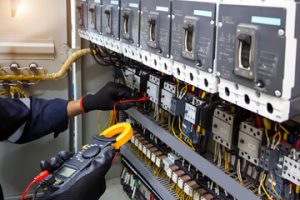
Electrical Services

Backup Power Solutions and Generator Installation for Commercial Facilities

In the fast-paced world of modern business, uninterrupted power is essential. Commercial facilities, from offices and retail centers to hospitals, data centers, and industrial operations, rely heavily on electricity for critical systems, productivity, and safety. Even a brief power outage can disrupt operations, result in financial losses, and damage a company’s reputation. For this reason, backup power solutions and professional generator installations have become increasingly vital. These systems ensure that businesses can maintain continuous operations during utility failures, natural disasters, or unexpected electrical disruptions.

Backup power solutions encompass a range of technologies designed to provide electricity when the primary supply is unavailable. While uninterruptible power supplies (UPS) offer short-term protection for sensitive electronics, larger commercial facilities often require standby or emergency generators capable of powering entire operations. Generators can run on diesel, natural gas, or propane and are designed to start automatically within seconds of a power failure, minimizing downtime and ensuring seamless continuity of services. Investing in a well-designed backup power system is not just a precaution—it is a strategic decision that safeguards operational integrity and protects revenue streams. Talk to an expert Commercial Electrical Service support for any project you have.

electrical services

One of the primary reasons commercial facilities invest in backup power is operational continuity. In industries such as healthcare, data management, manufacturing, or food storage, power outages can have severe consequences. Hospitals, for instance, rely on electrical systems to operate life-saving equipment, maintain HVAC systems, and manage critical infrastructure. Similarly, data centers require uninterrupted power to prevent server crashes, data loss, and security breaches. Even in offices and retail environments, prolonged outages can disrupt transactions, communication, and customer services. A properly installed generator ensures that essential systems remain operational, preserving business continuity and avoiding costly downtime.

Beyond operational continuity, backup power solutions protect sensitive equipment. Electrical surges, brownouts, and sudden outages can damage computers, machinery, refrigeration systems, and HVAC units. Professional generator installations often incorporate surge protection and voltage regulation to prevent equipment damage during transitions between utility power and generator power. This layer of protection extends the lifespan of critical devices and reduces the risk of expensive repairs or replacements caused by power fluctuations.

When planning for backup power, several considerations must be addressed to ensure the system meets the facility’s needs. One of the first steps is load analysis. This involves assessing the electrical requirements of the facility, including essential circuits, lighting, HVAC, security systems, and specialized equipment. Properly sizing the generator ensures that it can handle peak loads without overloading, while also optimizing fuel efficiency and operational performance. Underestimating power needs can lead to inadequate backup, whereas over-sizing the system may result in unnecessary expenses and energy waste.

There are two primary types of backup generators commonly used in commercial applications: standby generators and portable generators. Standby generators are permanently installed and automatically engage during an outage, providing seamless and reliable power. They are ideal for facilities with continuous power demands or critical systems. Portable generators, while less expensive and more flexible, require manual setup and connection, making them better suited for temporary or smaller-scale backup needs. Commercial facilities typically benefit from standby systems due to their reliability, automation, and scalability.

Fuel type is another important consideration. Diesel generators are widely used for commercial backup due to their durability, high power output, and fuel availability. Natural gas generators offer continuous operation with cleaner emissions and minimal fuel storage requirements, making them suitable for facilities located near municipal gas lines. Propane generators are valued for their extended shelf life and ability to operate in locations without natural gas access. Selecting the appropriate fuel source depends on facility size, operational requirements, environmental considerations, and long-term cost analysis.

Installation of a commercial generator is a complex process that requires professional expertise. Proper installation involves selecting a suitable location, ensuring adequate ventilation, connecting to the facility’s electrical system, and complying with safety codes and local regulations. Electrical contractors evaluate factors such as load distribution, panel compatibility, grounding, and fuel supply to design a system that meets operational demands and provides safe, reliable performance. Improper installation can result in equipment failure, safety hazards, or code violations, emphasizing the importance of professional services.

Maintenance is a crucial component of any backup power solution. Generators must be regularly inspected, tested, and serviced to ensure readiness when needed. Routine maintenance typically includes checking fuel levels, oil changes, battery tests, coolant inspections, and load testing. Scheduled exercise cycles simulate outages to verify the generator’s performance under load, ensuring reliability in real-world conditions. Neglecting maintenance can lead to system failures when power is most critical, undermining the investment in backup infrastructure.

Another aspect of generator installation is integration with transfer switches. Automatic transfer switches (ATS) detect power loss and immediately switch the facility’s electrical load to the generator. Once utility power is restored, the ATS returns the system to normal operation. This automation minimizes downtime, prevents human error, and ensures critical systems remain powered without interruption. Manual transfer switches can be used for smaller systems but require personnel to activate the generator during an outage, introducing delays and potential operational risk.

Safety considerations are paramount in backup power systems. Generators produce high voltages and, in some cases, exhaust gases, which require proper ventilation and placement away from occupied spaces. Carbon monoxide risks must be mitigated through ventilation, monitoring, and adherence to manufacturer guidelines. Electrical contractors ensure that installation complies with safety codes, including proper grounding, bonding, and circuit protection. This approach protects personnel, property, and equipment while ensuring reliable generator operation.

In addition to providing uninterrupted power, backup generators support energy management strategies. By integrating generators with building automation systems, facilities can optimize power use during peak utility demand periods. For example, certain non-critical loads can be temporarily shifted to generator power to reduce strain on the utility grid or lower energy costs. This dual benefit of reliability and efficiency makes generators an integral part of modern commercial energy planning.

There are several compelling reasons for businesses to implement a comprehensive backup power strategy:

  1. Minimized Financial Losses: Downtime caused by power outages can result in lost sales, delayed production, and operational disruption. Backup generators maintain continuous operation, protecting revenue streams.
  2. Enhanced Safety and Compliance: Critical systems such as fire alarms, security systems, and emergency lighting remain operational, ensuring regulatory compliance and occupant safety.
  3. Equipment Protection: Voltage regulation and surge protection reduce the risk of damage to sensitive electronics, machinery, and HVAC systems.
  4. Scalability for Future Needs: Modern generator installations allow for system expansion as operational demands grow, accommodating additional loads without requiring complete system replacement.
  5. Peace of Mind: Business owners and facility managers can trust that essential systems remain powered, even during severe weather events, utility failures, or unexpected disruptions.

In commercial facilities, generators are often integrated into broader emergency preparedness plans. This may include backup lighting, battery storage, and uninterruptible power supplies (UPS) for critical electronics. By combining multiple layers of backup power, facilities can create a resilient electrical infrastructure that ensures continuity under a wide range of scenarios. Such redundancy is particularly valuable in sectors such as healthcare, data services, and industrial manufacturing, where even brief interruptions can have far-reaching consequences.

Cost considerations for generator installation include equipment purchase, installation, fuel supply, and ongoing maintenance. While the initial investment can be significant, the long-term benefits—reduced downtime, protection of critical systems, and avoidance of revenue loss—often justify the expense. Additionally, some utility providers or government programs offer incentives for implementing backup power solutions, further improving the return on investment.

Technological advancements have also enhanced generator functionality. Modern systems feature remote monitoring, automated diagnostics, and digital control panels, allowing facility managers to track performance, schedule maintenance, and receive alerts in real time. This proactive management approach reduces the likelihood of unexpected failures and ensures that the generator operates efficiently and safely.

In conclusion, backup power solutions and generator installations are essential components of modern commercial facility management. They ensure operational continuity, protect critical systems and equipment, and enhance safety for employees, customers, and occupants. Properly designed and professionally installed generators, combined with routine maintenance, provide reliable power during outages and help facilities meet growing electrical demands.

Whether for small commercial offices, large industrial plants, or data-intensive operations, investing in backup power is a strategic decision that safeguards operations, prevents financial losses, and prepares facilities for unexpected emergencies. With careful planning, professional installation, and ongoing maintenance, commercial generators provide a dependable foundation for uninterrupted productivity, efficiency, and long-term operational resilience.

Businesses that prioritize backup power are not just responding to potential outages—they are proactively securing the reliability, safety, and efficiency of their entire electrical infrastructure. By integrating generators into a comprehensive power strategy, commercial facilities ensure that electricity remains a dependable asset rather than a potential liability, even under the most challenging conditions.